

If your retail or hospitality business operates in Australia or Germany, navigating POS hardware compliance 2026 is critical as your hardware infrastructure faces a severe regulatory stress test.
This comprehensive guide dissects the stringent hardware architecture required to survive this year’s regulatory shifts. We will explore how mastering Australia’s aggressive ATO Peppole-invoicing deployment and Germany’s relentless KassenSichV ELSTER reporting deadlines demands a complete departure from closed-system legacy hardware.
The Architectural Shift: Why Legacy POS Hardware is Failing
Industry analysis indicates that retail technology in 2026 is characterized by systems acting in absolute real-time. We are witnessing the rapid convergence of Agentic AI, biometric processing, and instantaneous government tax oversight functioning directly at the checkout counter.
Historically, purchasing a POS terminal was viewed as a simple hardware procurement exercise.Today, it is an architectural foundation. Closed ecosystems, fiercely promoted by major legacy players, are exposing fatal flaws. These proprietary systems purposefully lock merchants into exorbitant payment processing agreements and inherently resist integration with highly localized, specialized tax compliance software.
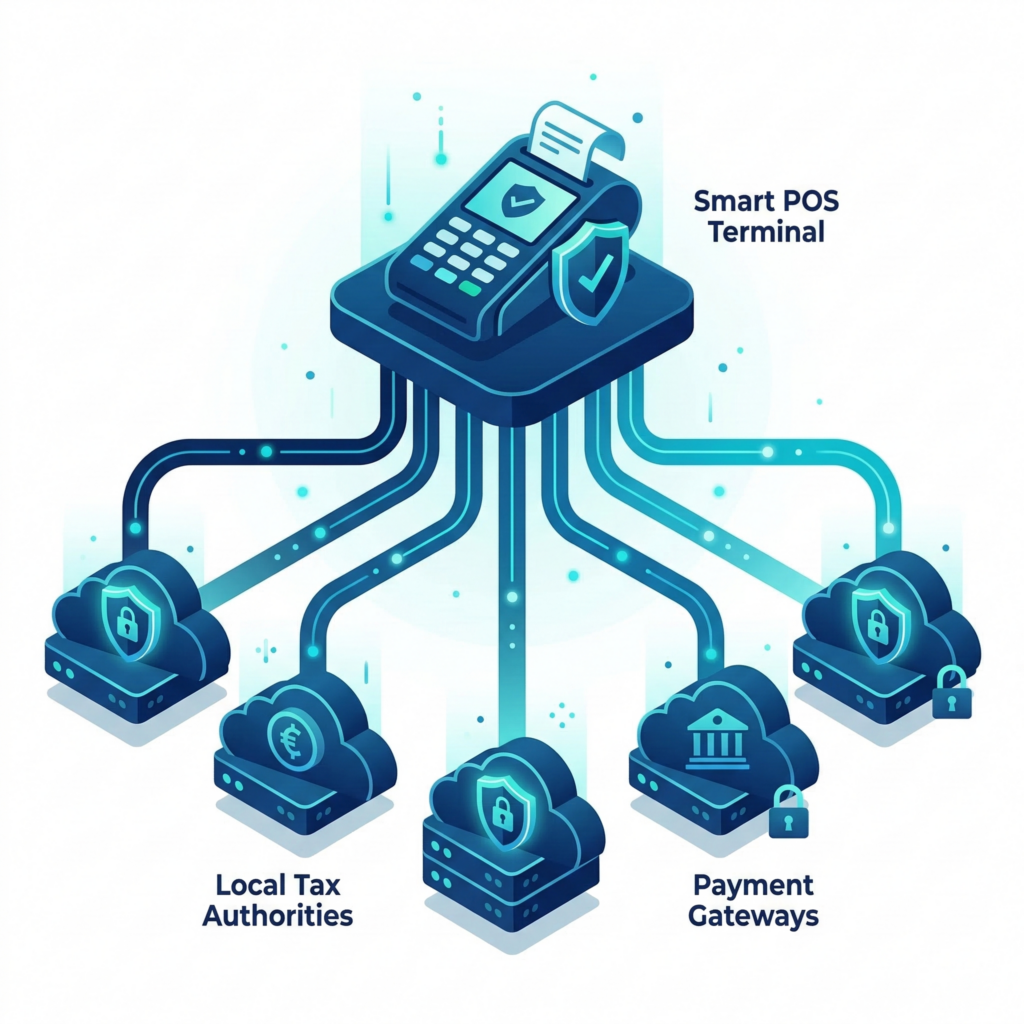
The strategic solution dominating the market is the adoption of open-platform Android POS hardware. These systems decouple the physical terminal from mandatory merchant service contracts. They grant businesses the vital flexibility to run bespoke applications, connect natively with specialized local payment gateways via open APIs, and automatically structure transaction data to satisfy immediate government auditing protocols.
Australia: Conquering the ATO Peppol Mandate and Native EFTPOS
The Australian POS terminal market is expanding rapidly, projected to reach $1.25 billion by 2030, driven heavily by regulatory modernization. For Australian hardware distributors, surviving 2026 requires mastering two technological mandates.
The Peppol E-Invoicing Compliance Cliff
Initiated by the Australian Taxation Office (ATO), the transition to a nationwide electronic invoicing framework is strictly enforced. By July 1, 2026, Non-Corporate Commonwealth Entities (NCEs) are legally required to receive a minimum of 30% of all incoming invoices via the Peppol network, moving to complete automation by December 2026.
Any business engaging with the public sector must operate POS hardware capable of structuring data precisely to the Peppol BIS Billing 3.0 standard. Deploying Open API Android hardware ensures that third-party developers can seamlessly push over-the-air updates to format this data, ensuring compliance.
The Imperative of Seamless EFTPOS Integration
Achieving POS hardware compliance 2026 means modern Android POS hardware must offer native integration with leading gateways such as Linkly, Tyro, and Westpac Presto. For instance, integrating with Tyro requires a terminal capable of supporting advanced frameworks to handle complex operations like split billing. Terminals must possess superior network architecture to guarantee that high-volume environments never suffer a dropped transaction.
Germany: Surviving KassenSichV and the 2025/2026 ELSTER Purge
The German market… demanding retail regulations, making POS hardware compliance 2026 a top priority.
Integrating the Technical Security Device (TSE)
Every electronic cash register operating in Germany must be tethered to a certified TSE (Technical Security Device), approved by the BSI. The TSE functions as a cryptographic vault, generating a unique, tamper-proof signature for every transaction. The physical terminal must feature versatile I/O configurations to support physical hardware modules while boasting the advanced security required for a Cloud TSE.
The Strict ELSTER Reporting Obligation (Mitteilungspflicht)
Moving into the 2025/2026 operational year, the Federal Central Tax Office (BZSt) escalated enforcement by activating the mandatory ELSTER reporting portal. Any new hardware purchased after July 1, 2025, has exactly one month to be comprehensively registered.Operating closed-architecture legacy hardware creates a massive liability, with failures triggering fines of up to €25,000 per violation.
The Strategic Advantage of Shenzhen PENPOS
Technology
When evaluating POS hardware upgrades for 2026, hardware lock-in is the enemy of agility.Industry forums are currently flooded with complaints from retail operators trapped in closed ecosystems.
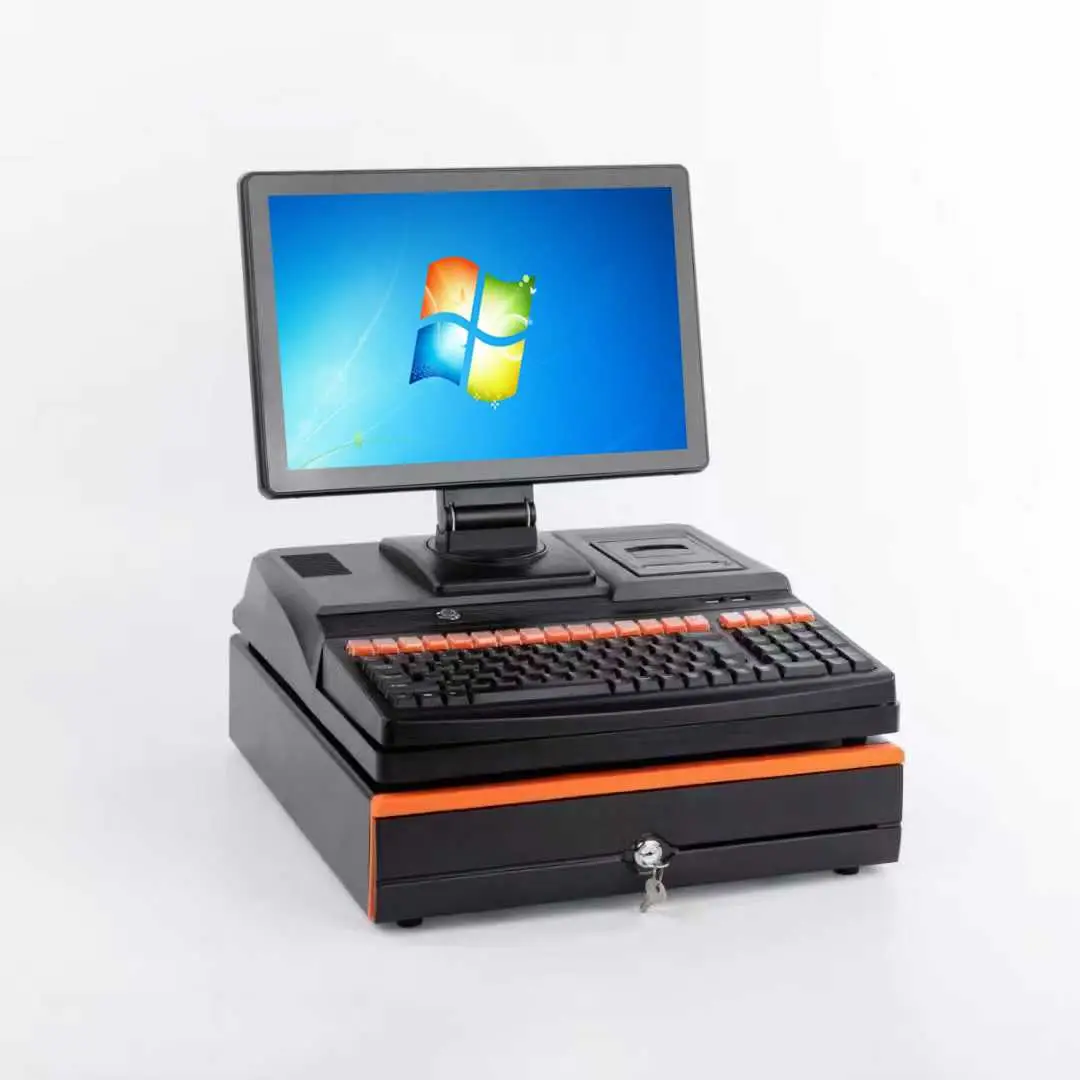
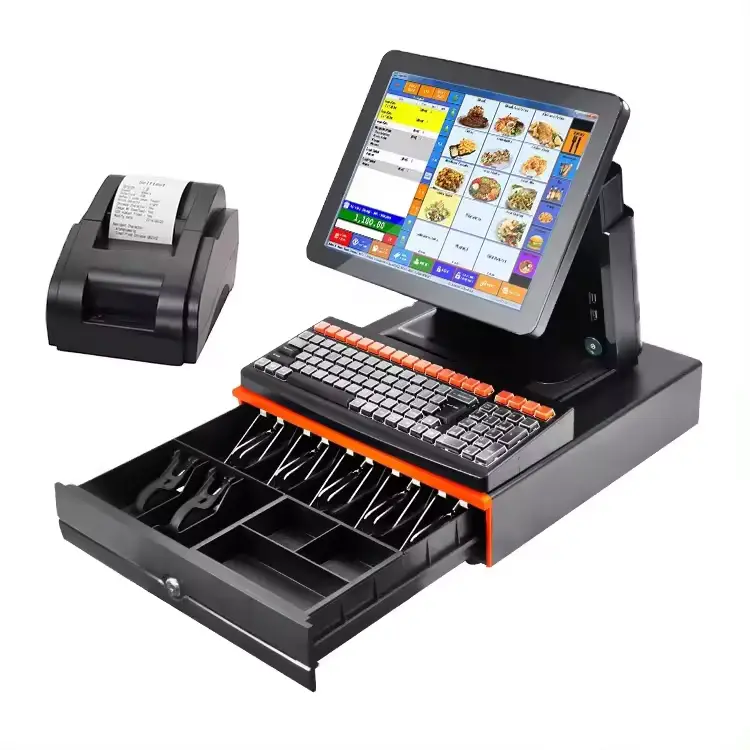
Shenzhen PENPOS Technology Co., Limited engineers a complete suite of hardware designed specifically to eradicate these pain points. By developing CE, FCC, and RoHS-certified Android POS terminals, alongside premium cash drawers, thermal printers, and barcode scanners (HS Code: 8470.50), we empower distributors to construct highly profitable, compliant solutions.
1. Eradicating Processor Lock-in: PENPOS terminals act as agnostic computing foundations. We do not force your clients into punishing payment processing contracts,allowing businesses to negotiate the best possible rates with local EFTPOS acquirers.
2.Frictionless Compliance Integration: The unrestricted Open API Android environment allows developers to rapidly deploy critical tax APIs—whether routing data to an Australian Peppol point or syncing with a German KassenSichV Cloud TSE.
3. Unmatched Supply Chain Velocity & Favorable Terms: While massive legacy brands are quoting frustrating 3 to 6-month lead times, PENPOS delivers bulk orders in just 2 weeks.We support validation with a 3-day turnaround on sample units, a minimum order quantity (MOQ) of just 1 unit, and distributor-friendly payment terms (T/T 30% deposit).
This commitment is not theoretical. For over three years, PENPOS has successfully supplied thousands of stable Android POS units to the highly demanding UK market (through our stable partnership with AndroidePOS) and across Southeast Asia, maintaining near-zero failure rates.
Mastering POS Hardware Compliance 2026
Surviving the complex retail technology environment of 2026 demands a strategic investment in architectural flexibility. Whether integrating deeply with Australia’s evolving EFTPOS and Peppol networks or securing absolute compliance with Germany’s KassenSichV and ELSTER frameworks, your hardware must act as an open, robust foundation.
Stop surrendering profit margins to hidden payment processing fees and paralyzing hardware lock-ins. Contact me, Damon Liang (Sales Manager at Shenzhen PENPOS Technology Co.,Limited), today via WhatsApp at +86 186 6446 3674 or visit www.penpostech.com. Let’s secure your complete hardware testing sample within 3 days and ensure you have the cost-effective, compliant infrastructure to dominate your market.